Deodorant and Antiperspirant: Understanding the Difference
January 30, 2024
It is easy to get lost in strong claims about underarm products. “Natural,” “chemical-free,” and “detox” can sound reassuring, but they do not tell you everything about how a formula works or whether it will suit your skin.
All ingredients are chemicals, including water, plant oils, and the components of a botanical extract. A more useful starting point is the job you want a product to do.
What deodorant does
Deodorant is designed to help manage odor. It may use fragrance and other ingredients to make underarm odor less noticeable. It is not automatically an antiperspirant.
What antiperspirant does
Antiperspirants are designed to reduce sweat. Aluminum-based active ingredients temporarily reduce sweat reaching the skin’s surface. That function is different from masking or managing odor.
The National Cancer Institute’s fact sheet does not support claims that using these products causes breast cancer. Fear-based claims are not a useful reason to buy a different deodorant.
Reading a label with your own skin in mind
Look at the ingredient list, scent, application directions, and whether the product is meant for odor control, sweat control, or both. Fragrance, baking soda, or another ingredient may not agree with every person, whether a product is marketed as natural or conventional.
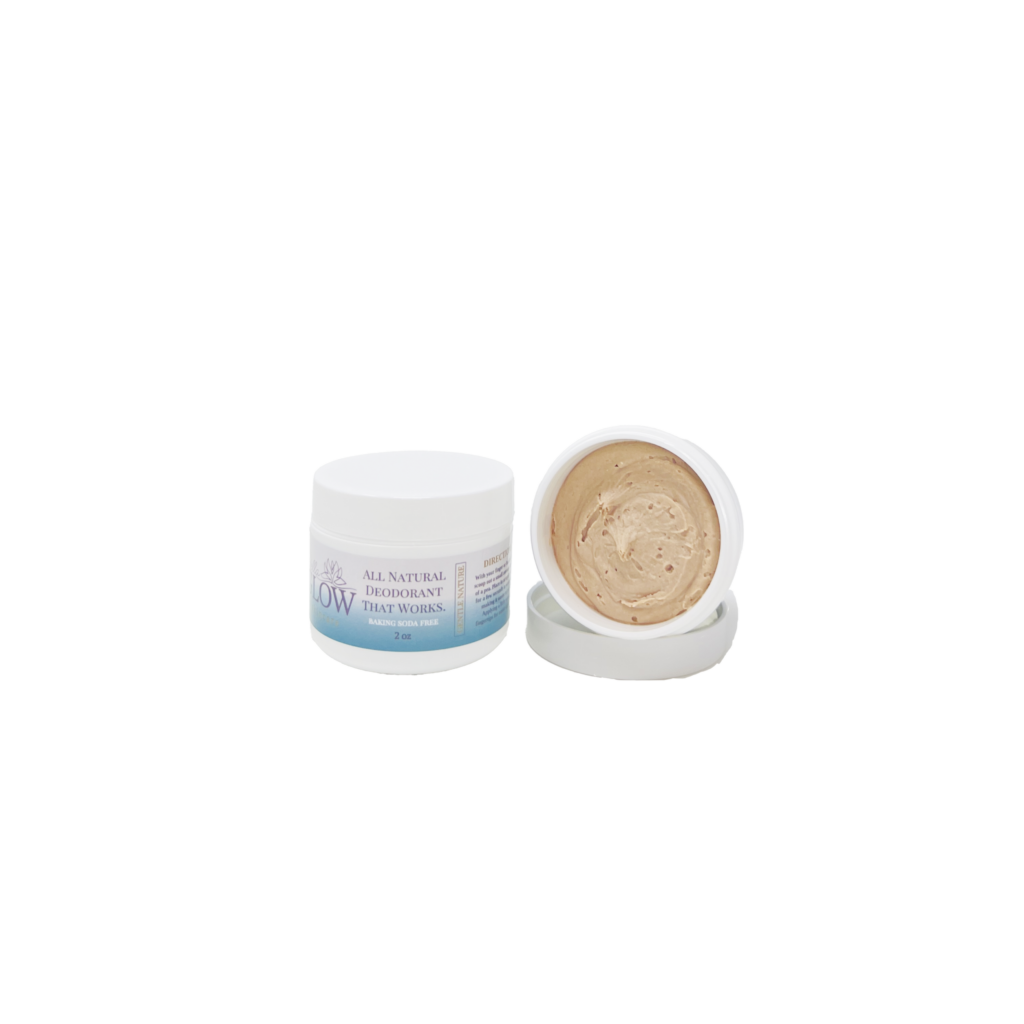
If you want to explore Bella GLOW’s options, compare the body-care collection. Follow the current product directions and stop using a product that irritates your skin.
A choice, not a medical promise
You can prefer a particular texture, scent, or ingredient approach without needing to claim that alternatives poison the body. Persistent irritation or concerns about sweating deserve advice from a clinician.