Happy Wellness Month! Let's Learn More About Aromatherapy!
January 30, 2024
A familiar scent can become part of an everyday ritual: a quiet moment before bed, a pause during a busy day, or a pleasant atmosphere while reading. That is a useful starting point for exploring aromatherapy.
What aromatherapy means
Aromatherapy uses aromatic plant extracts, often essential oils. Products can be intended for different uses, so a roller, room spray, bath product, and diffuser oil should not be treated as interchangeable.
The National Center for Complementary and Integrative Health describes aromatherapy and the limits of the research. Enjoying an aroma is different from establishing a treatment for anxiety, insomnia, headaches, infection, or another condition.
Choose by the scent you enjoy
Some people prefer floral or herbal blends in a wind-down routine. Others enjoy citrus or mint scents during the day. These are preferences, not reliable predictions of how a person’s blood pressure, immunity, or digestion will respond.
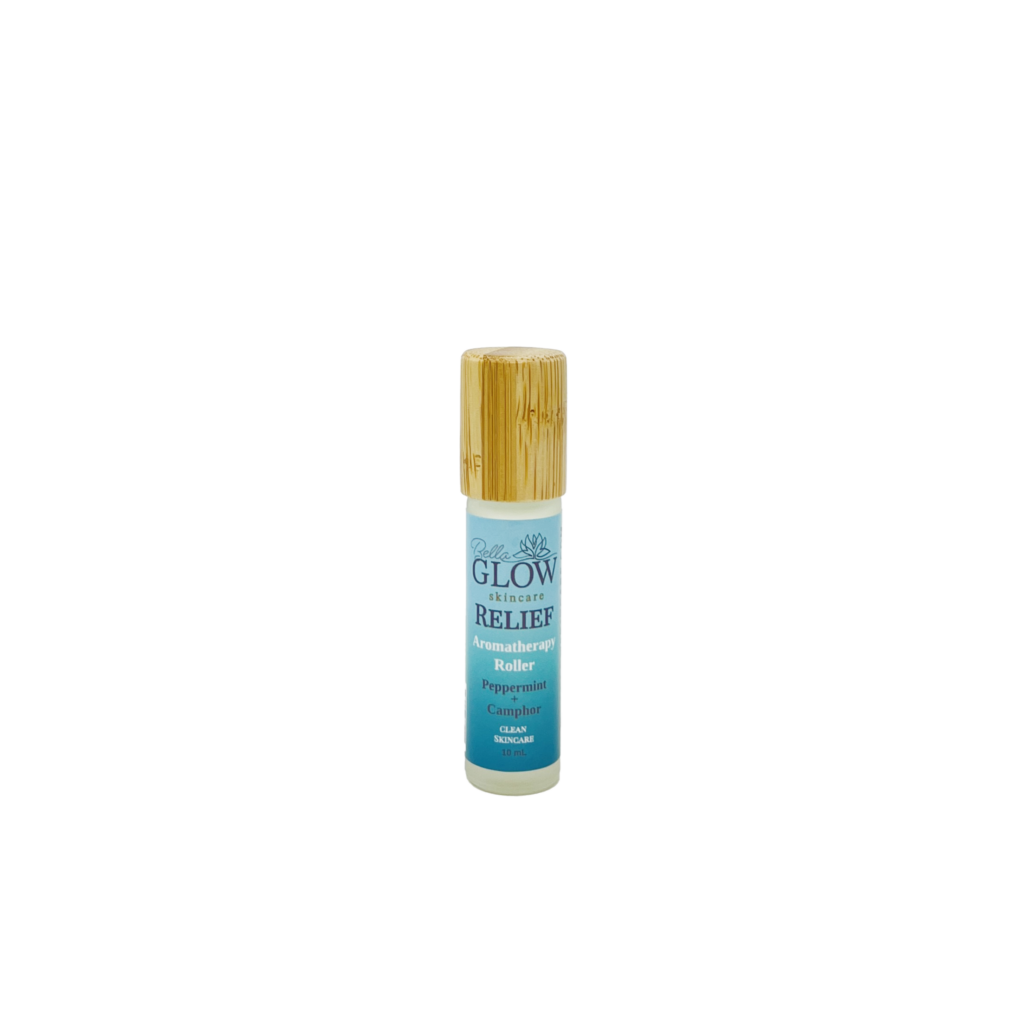
Our aromatherapy collection brings together sprays and rollers. Read the individual listing to learn the ingredients and intended use.
Match the product to the application
Do not put a roller blend into a diffuser or apply a room fragrance to your face unless the directions explicitly allow it. Do not swallow essential oils or assume that adding them to water makes them suitable for skin.
Use scented products with consideration for other people and animals sharing the space. Ventilation and the ability to leave the scented area matter.
Know when to stop
If a scent or topical product causes irritation, headache, or breathing discomfort, stop using it. For personal suitability questions involving children, pregnancy, respiratory conditions, or pets, ask an appropriately qualified professional.
Aromatherapy can be a personal preference within a routine. It should not delay evaluation or replace recommended care for symptoms.