Vitamin E…Did you Know?
January 30, 2024
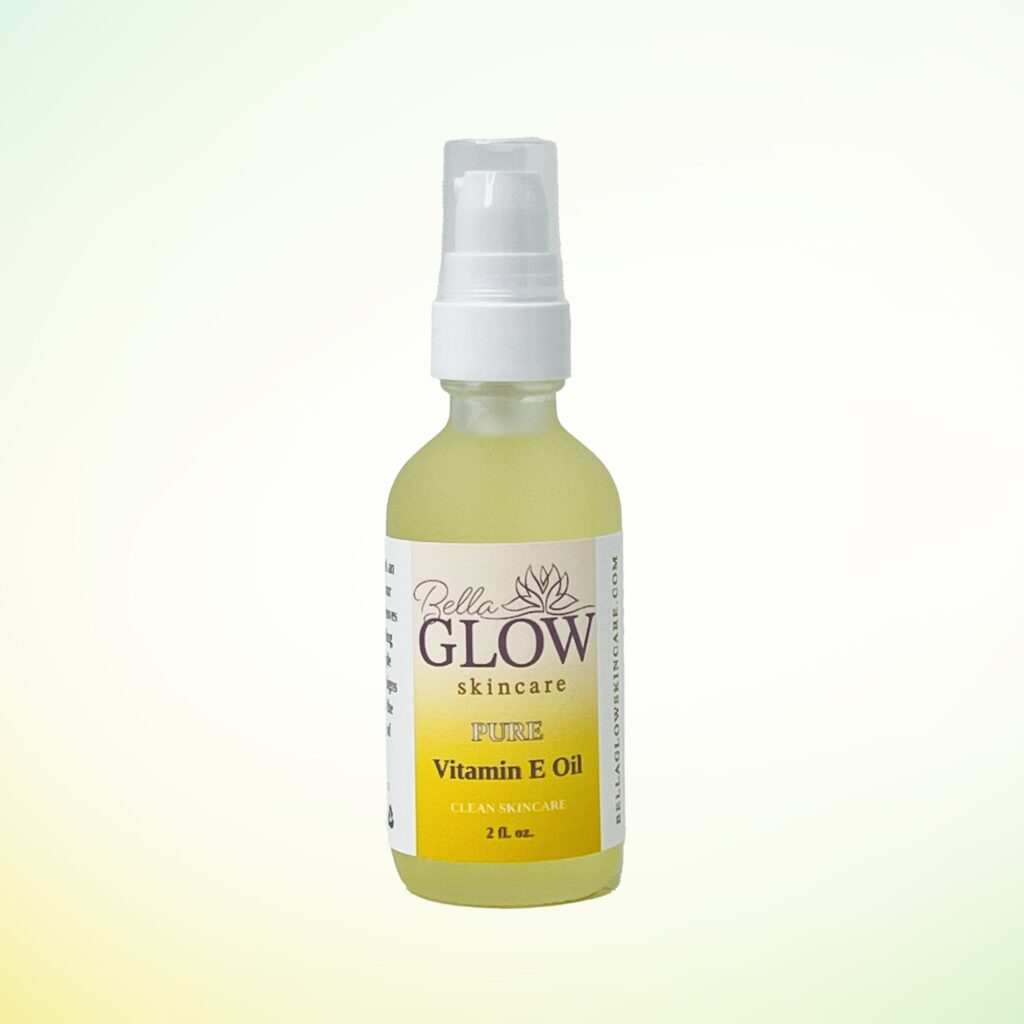
Vitamin E is a familiar name on skincare labels and supplement bottles, but those products are used in different ways. An oil made for external use is not an oral supplement, and a cosmetic claim does not establish a health benefit from taking capsules.
A family of compounds
Vitamin E refers to related compounds, including tocopherols and tocotrienols. Alpha-tocopherol is the form used to describe human dietary requirements. You may see tocopherol or tocopheryl acetate on cosmetic ingredient lists.
Food and supplements
The NIH Office of Dietary Supplements describes vitamin E’s nutritional role and sources such as nuts, seeds, and vegetable oils. It also explains that high-dose supplements can carry risks, including bleeding and interactions with medicines.
Our older article discussed selected studies and recommended daily high-dose use. We no longer present that as general advice. More is not automatically better, and a supplement should not be taken to prevent cancer or heart disease based on a skincare blog.
Vitamin E in your skincare routine
In cosmetics, vitamin E is part of many oil blends and moisturizing formulas. The feel and suitability of a product depend on the whole formula, not one highlighted ingredient.
If you choose a topical oil, follow its label, begin cautiously, and stop if it irritates your skin. Do not apply it to a wound or assume that it can erase scars or replace treatment for a skin condition.
Keep the uses separate
Do not swallow a cosmetic vitamin E oil. If you are concerned about your dietary intake or considering a supplement, ask a clinician or pharmacist. For a skin concern, get advice tailored to the problem rather than increasing the amount of oil you apply.
You can explore our skincare collection for current product ingredients and directions.