Serum Vs. Oil
January 30, 2024
A serum and a facial oil can both be optional parts of skincare, but the names describe different kinds of products. You do not automatically need both, and neither replaces every function of a moisturizer or sunscreen.
What makes a serum different?
Serums vary widely. Some are light, water-based formulas; others have different textures. The full ingredient list and directions tell you more than the word serum alone.
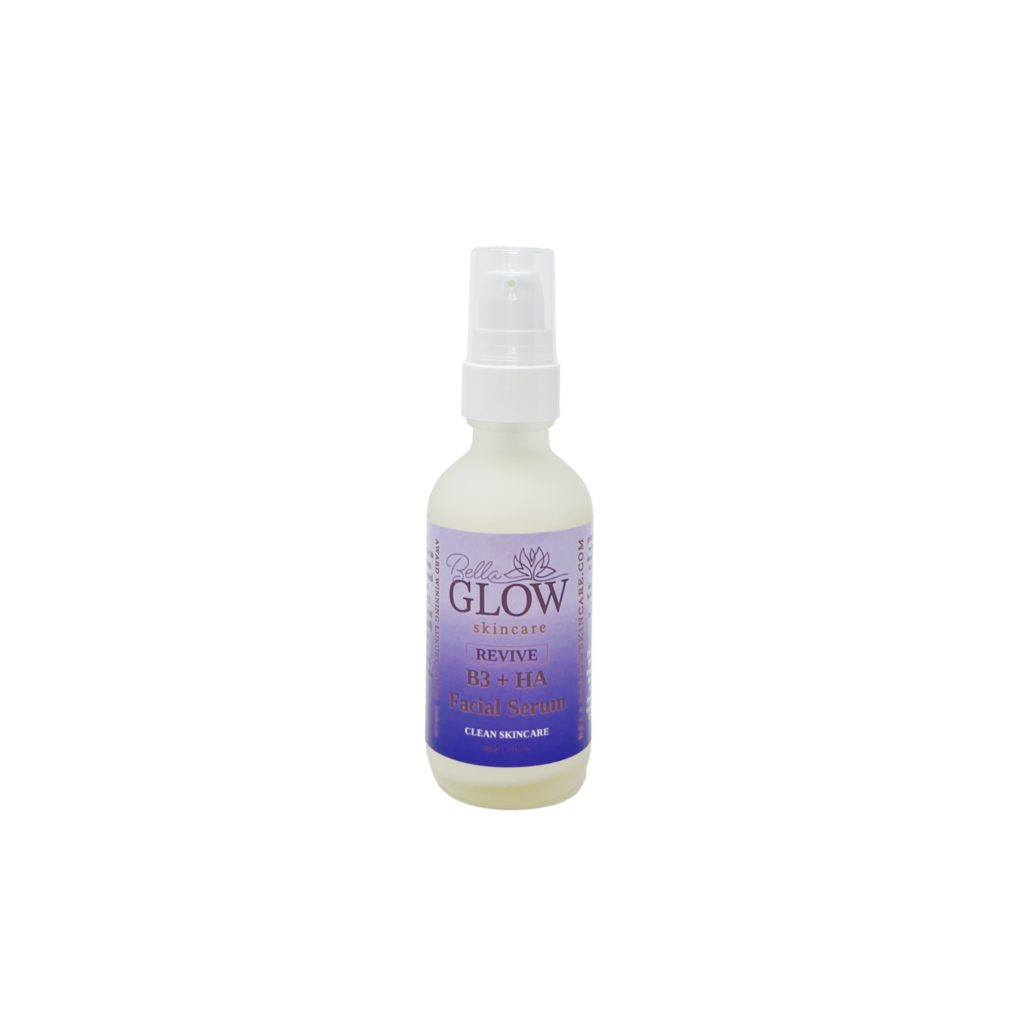
Bella GLOW’s B3 + Hyaluronic Acid Facial Serum pairs niacinamide with hyaluronic acid. Smooth & Silky Argireline Facial Serum and Botanical Collagen Facial Serum are different formulas to compare, rather than interchangeable ways of promising the same outcome.
What does a facial oil offer?
A facial oil may contain one oil or a blend. People often choose by its texture, fragrance, and how it feels alongside the rest of their routine.
Liquid Gold Facial Oil is a blended option. Vitamin E Oil, Carrot Seed Pure Oil, and Raspberry Seed Oil have their own listings and directions. Do not assume an oil is a treatment for acne, scars, eczema, or a wound because an older article described it that way.
Do you need both?
No. If your routine is comfortable and meets your needs, adding more products may not be useful. Start with the question you want an extra step to answer, such as preferring a different texture or exploring a particular formula.
Oily skin does not automatically need more oil, and a facial oil is not guaranteed to stop your skin producing its own sebum.
If you choose to layer
Follow the directions for the products you have. Introduce one at a time, use modest amounts, and avoid mixing products into their containers. Layering is different from changing the preserved formula in a bottle.
Keep sunscreen as a separate daytime step. If you are comparing oils, our squalane article provides another starting point.